ODD HOURS / PRODUCT, BRAND & EXPERIENCE
2023 · Independent Project · Product, Brand & Experience
“When life gives you lemons, you ACT on it.”
The starting point
The Luman Adventure Box started with a New Year’s gift for my family. I wanted to make something personalised and useful, rather than simply pick something off a shelf.
I started with ACT., a compact planner built around the things I wanted in one place: weekly spreads, goals, habit and routine trackers, reminders and lists.Then came the name.
The Lemon Act came from the familiar phrase, when life gives you lemons, ACT on it. I liked the idea of turning it into something of my own. Lemon became Luman, a little wordplay between lemons and humans, and anyone who owned an Adventure Box became a fellow Luman.
The product
The planner became the centre of a small product world.
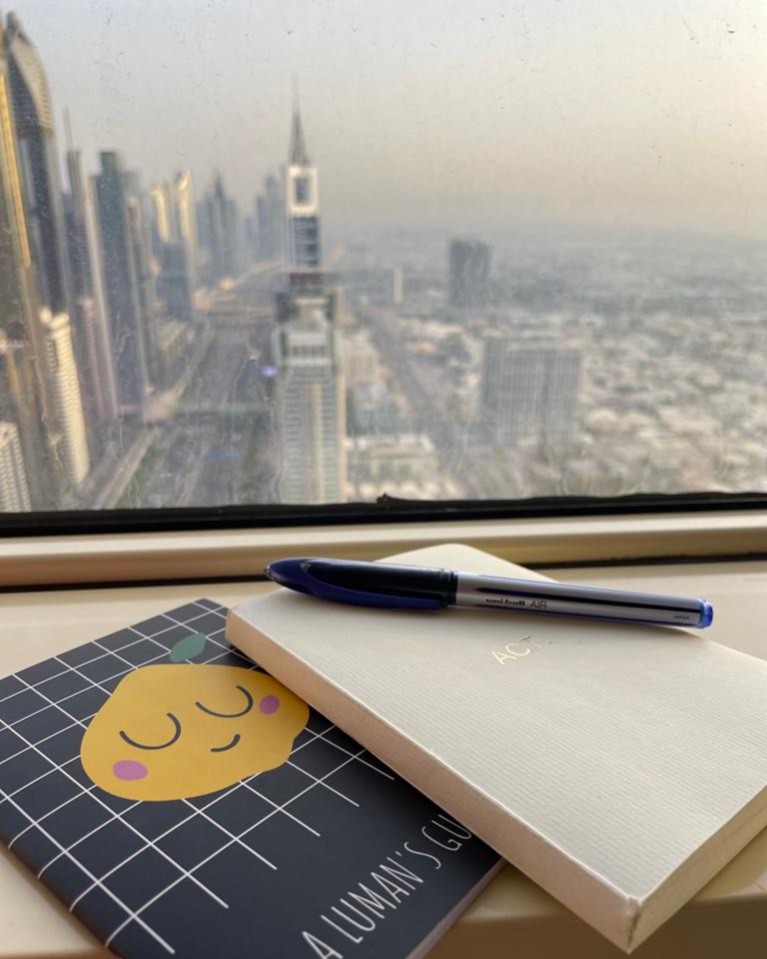
ACT.
A compact undated planner for organising everyday life, with weekly spreads, goals, trackers, reminders and lists.
A Luman’s Guide
A little book of things to do when you are bored, from solo adventures and DIY projects to creative activities, self care and things to try with friends and family.
Stickers
Small, playful additions for personalising the planner and making the experience feel less serious.
Dust Cover
An unexpected addition that came from seeing the physical product rather than just the design.
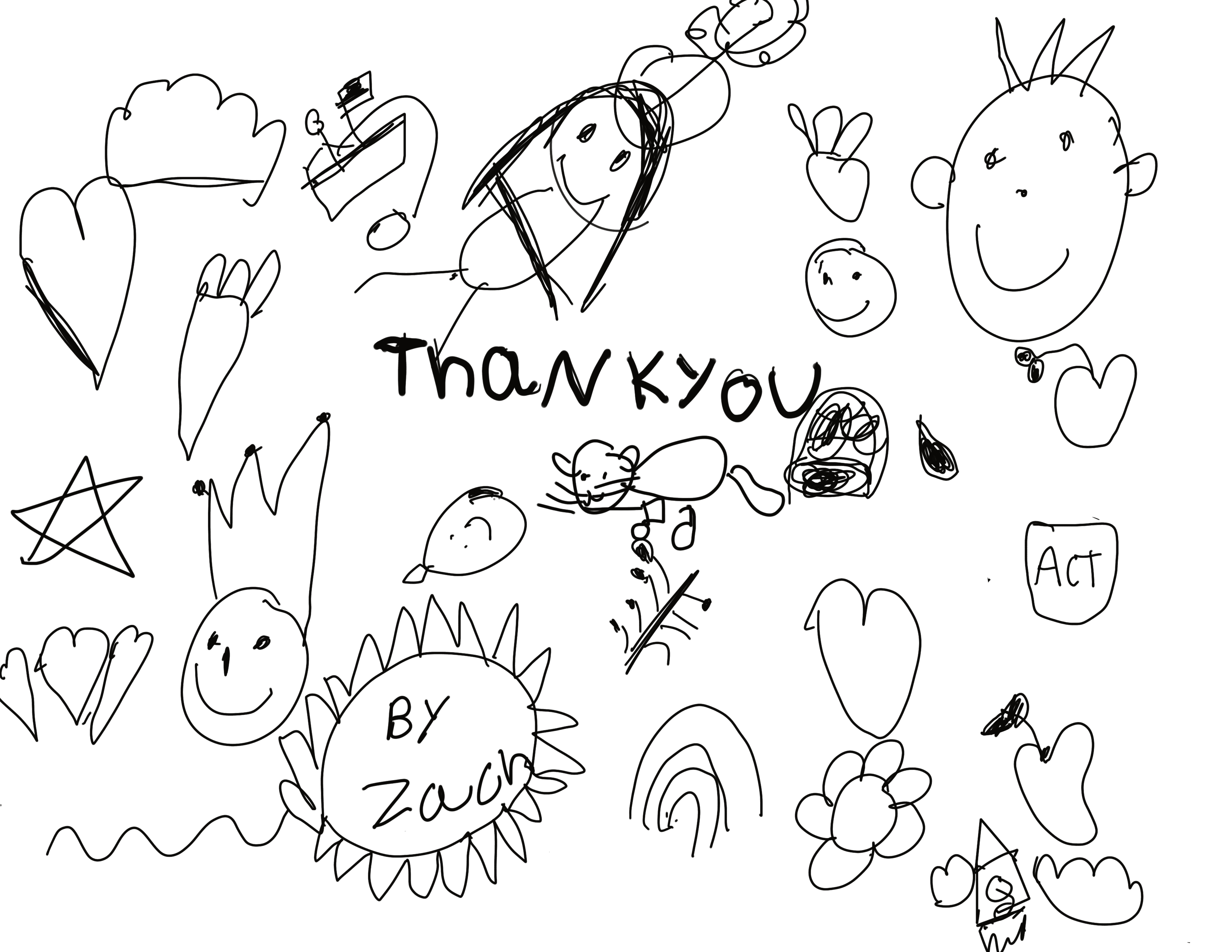
Thank You Card
Designed to double as a bookmark, with its reverse side featuring a hand drawn illustration by my six year old nephew, Zac.
Together, the pieces made the box feel less like a collection of stationery and more like a little world of its own.

From idea to production
Concept → Product Development → Sourcing → Sampling → Production
The idea was the easy part. Making it was where things got interesting.
The manufacturer had a minimum order quantity, which meant I would have more boxes than I originally needed for my family. Rather than let the extra units sit unused, I decided to turn the idea into a small batch product.
I also had to figure out the production side as I went. I had never designed a book before, so I worked through the structure, layouts, sourcing and samples until everything started coming together.
The samples were important because they showed me things that weren't obvious on screen. I made a few design changes based on what I saw in the physical samples before moving into final production.
Once the finished batch was produced, I noticed another problem. The light coloured cover of ACT. looked beautiful, but it was also very easy to mark and get dirty during handling. Rather than redo the production, I found a simple solution and added a dust cover.
There were several small decisions like that throughout the process. Some problems could be caught during sampling, while others only revealed themselves once the finished product was actually in my hands.


The thank you card was designed to serve two purposes: a note of appreciation and a bookmark.
The back became something even more personal. My six year old nephew, Zach, filled it with his own drawings and a handwritten “Thank you”.
It was a small detail, but I had a feeling it would become a favourite with the family, possibly even more than the book itself. And honestly, I think I was right.
Into the real world
The project eventually moved beyond the original family gift.
I created a small pop up store around the concept and put the remaining boxes up for sale on Amazon.
It was a small batch project rather than a large commercial venture, but it gave me the opportunity to take an idea through the full journey from concept and content to physical production and finally into the hands of customers.


Working on The Lemon Act gave me a perspective I hadn't quite had before. As a brand manager, I was used to taking someone else's ideas and figuring out how to bring them to life. With this project, I was responsible for the idea, the design and everything that came after it.
It made me think more carefully about the decisions behind a product. What needs to stay true to the original idea? What can change? What actually makes the product better?
The samples helped me refine some decisions, while the finished product revealed others, like the need for the dust cover.
The real lesson was that good product development is not about protecting the first version of an idea. It is about protecting what matters about the idea while making the right compromises to make it work.
SHIFALI ROBINSON